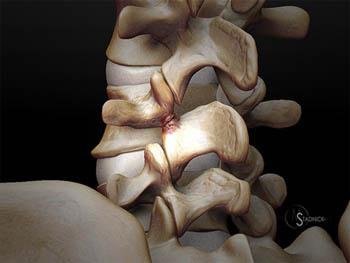
A pars fracture, also known as spondylolysis, is a stress fracture of the pars interarticularis — a small segment of bone that connects the facet joints in the back of the spine.
This type of fracture is most commonly seen in young athletes who participate in sports that involve repetitive hyperextension of the spine, such as gymnastics, dance, football (linemen), cricket (fast bowlers), and track and field.
Signs and Symptoms
- Lower back pain that worsens with activity, especially hyperextension
- Pain that improves with rest
- Stiffness in the lower back
- Tenderness in the lumbar spine area
Risk Factors
The primary risk factor is repetitive stress on the lower spine from activities that involve hyperextension and rotation. Rapid increases in training volume or intensity can also contribute, similar to the workload ratio concept in throwing athletes.
Treatment Approach
Treatment typically begins with a period of rest and activity modification to allow the fracture to heal. Physical therapy focuses on strengthening the core and lumbar stabilizers, improving hip mobility to reduce stress on the spine, and gradually returning to sport-specific activities.
Early identification is key — if caught early, most pars fractures heal with conservative treatment. If left untreated, they can progress to spondylolisthesis, where one vertebra slips forward over another.
— Dr. Caleb