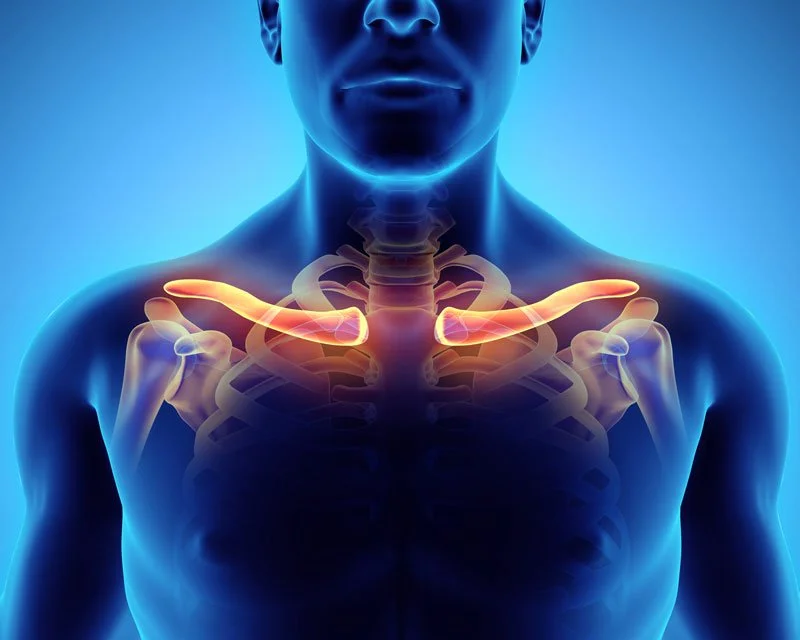
Thoracic Outlet Syndrome (TOS) is a condition in which the nerves or blood vessels traveling from your neck into your arm become compressed as they pass through a narrow space called the thoracic outlet.
Depending on which structure is being compressed, you may experience pain, numbness, tingling, weakness, swelling, or changes in circulation.
The Three Primary Types of Thoracic Outlet Syndrome
There are three primary forms of TOS, each affecting different structures:
1. Venous Thoracic Outlet Syndrome
Venous TOS occurs when the subclavian vein becomes compressed. This vein is responsible for returning blood from the arm back to the heart.
When that blood flow becomes restricted, blood can begin pooling in the arm, increasing the risk of clot formation.
Common symptoms include:
- Swelling of the hand, forearm, or entire arm
- A bluish or purplish discoloration of the skin
- A feeling of heaviness or tightness
- Pain during gripping, lifting, or overhead activity
This form of thoracic outlet syndrome requires prompt medical evaluation because of the potential for blood clots.
If I suspect venous thoracic outlet syndrome during an evaluation, I refer the patient to a vascular specialist for further testing.
2. Arterial Thoracic Outlet Syndrome
Arterial TOS occurs when the subclavian artery becomes compressed. Unlike the venous form, the problem is getting blood to the arm rather than back from it.
Because of this, patients are less likely to have swelling but may notice symptoms such as:
- Coldness in the hand
- Fatigue with repetitive use
- Pain in the forearm or hand
- Color changes in the fingers
- A weakened pulse at the wrist
Although this type is less common, it is still important to have it medically evaluated. Once serious vascular issues have been ruled out or addressed, physical therapy may focus on improving mobility around the first rib, clavicle, and surrounding muscles while gradually improving tolerance to overhead activities.
3. Neurogenic Thoracic Outlet Syndrome
Neurogenic TOS is by far the most common form.
In this condition, the brachial plexus — the network of nerves supplying the arm — becomes compressed. This compression often occurs around the scalene muscles or the first rib.
Common symptoms include:
- Numbness or tingling into the arm or hand
- Pain in the shoulder, forearm, or hand
- Weakness or fatigue with overhead activities
- Decreased grip strength
Unlike the vascular forms, neurogenic TOS typically does not cause swelling or changes in pulse.
Treatment for Neurogenic TOS
Treatment often focuses on reducing pressure around the brachial plexus while gradually restoring normal movement. Depending on the individual, treatment may include:
- Mobility exercises for the neck, ribs, and upper thoracic spine
- Soft tissue techniques
- Dry needling when appropriate
- Gentle nerve glides
- Grip strengthening
- Progressive shoulder and scapular strengthening
- Gradual exposure to overhead activities
The key is to avoid excessively provoking the irritated nerve while helping it tolerate normal movement again.
It Is Not Always Just One Type
Academically, we divide thoracic outlet syndrome into three categories. In real life, however, it is not always that simple.
The nerves, arteries, and veins all travel through the same confined space. Because they are so close together, it is possible for more than one structure to become irritated or compressed at the same time.
That is why a thorough examination is so important. Identifying exactly which tissues are involved allows us to develop the most effective treatment plan while recognizing when further medical evaluation is necessary.
The Bottom Line
Thoracic Outlet Syndrome can be frustrating because its symptoms often resemble other conditions affecting the neck, shoulder, elbow, or hand.
Fortunately, once the underlying source of compression is identified, many athletes and active individuals improve with an individualized treatment plan focused on restoring mobility, improving strength, and reducing irritation to the involved structures.
If you're experiencing numbness, tingling, weakness, or pain that travels down your arm, schedule a free 15-minute consultation so we can identify whether TOS might be involved and develop a targeted treatment plan.
— Dr. Caleb Kutsche, PT, DPT